
Master Sustainable Healthy Cooking
Discover the core methods and techniques that preserve nutrition while minimizing environmental impact. Learn how to transform your kitchen into a sustainable, health-conscious space.
The information on this site is for educational purposes only and does not constitute medical advice. Always consult a qualified healthcare professional before making health decisions.
Sustainable cooking can help preserve more of the food's original nutrients.
Gentle heat methods retain vitamins and minerals better than high-temperature cooking
Reduce kitchen energy by 40%
Smart cooking methods lower your carbon footprint and energy bills simultaneously
Why Sustainable Cooking Matters
Sustainable cooking is not just an environmental choice—it's a nutritional investment. When you cook mindfully, using techniques that respect both ingredients and resources, you retain more vitamins, minerals, and beneficial compounds in your food.
Beyond nutrition, sustainable methods reduce energy consumption, minimize food waste, and create a kitchen environment that supports long-term healthy habits. This approach aligns modern convenience with ancestral wisdom about food preparation.
Nutrient preservation through gentle heat application
Lower energy footprint with efficient cooking equipment
Reduced food waste through proper storage and preparation
Core Sustainable Cooking Methods
These fundamental techniques balance nutrition preservation with environmental responsibility, forming the foundation of sustainable kitchen practice.
Steaming
One of the gentlest cooking methods, steaming uses moist heat to cook food without direct contact to boiling water. This technique preserves up to 90% of water-soluble vitamins compared to boiling.
Best for: Vegetables, fish, dumplings, rice
Energy efficiency: Very high—minimal water needed
Nutrition retention: Excellent for heat-sensitive vitamins
Slow Cooking
Extended cooking at low temperatures (60-90°C) breaks down proteins and fibers gently, improving nutrient bioavailability while using minimal energy. Perfect for bone broths and tough cuts.
Best for: Broths, stews, legumes, tough cuts
Energy efficiency: Excellent—low wattage over time
Nutrition retention: High mineral extraction from bones
Pressure Cooking
Modern pressure cookers reduce cooking time by 70% while sealing nutrients inside. The elevated temperature quickly breaks down antinutrients while retaining flavor and minerals.
Best for: Legumes, grains, beans, root vegetables
Energy efficiency: Superior—fastest method
Nutrition retention: Good retention with reduced cooking time
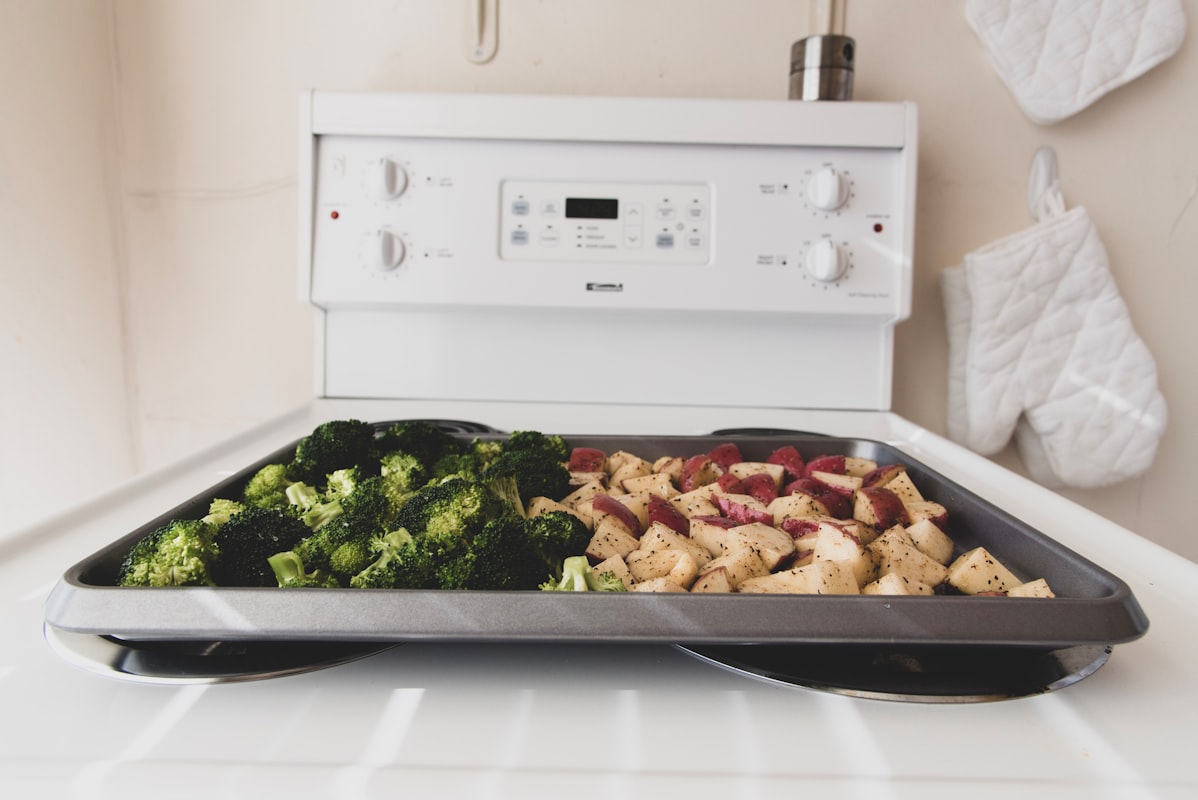
Baking & Roasting
Dry heat methods that enhance flavor through caramelization while minimizing liquid loss. When done at moderate temperatures (160-180°C), nutrition loss is minimal and flavor compounds develop.
Best for: Vegetables, whole grains, nuts, seeds
Energy efficiency: Good when batch-cooking
Nutrition retention: Excellent with moderate temperature
Raw & Minimal Processing
Cold preparation methods preserve all heat-sensitive nutrients and enzymes. Salads, smoothies, and fermented foods require zero cooking energy while maximizing nutrient density.
Best for: Vegetables, fruits, nuts, seeds, sprouted grains
Energy efficiency: Perfect—zero cooking energy
Nutrition retention: Maximum—all nutrients intact
Fermentation
Ancient preservation method that requires no heat or energy. Fermentation increases nutrient bioavailability, creates beneficial probiotics, and extends shelf-life naturally without refrigeration.
Best for: Vegetables, beverages, condiments, dairy
Energy efficiency: Perfect—zero energy input
Nutrition retention: Enhanced—probiotic creation
Essential Sustainable Kitchen Tools
The right equipment makes sustainable cooking efficient and accessible. Here are the tools that support both nutrition and environmental goals.
Bamboo Steamers
Renewable, durable, and naturally non-toxic. Bamboo steamers stack for efficiency and distribute heat evenly, making them ideal for Asian-style cooking.
Sustainability score: Excellent
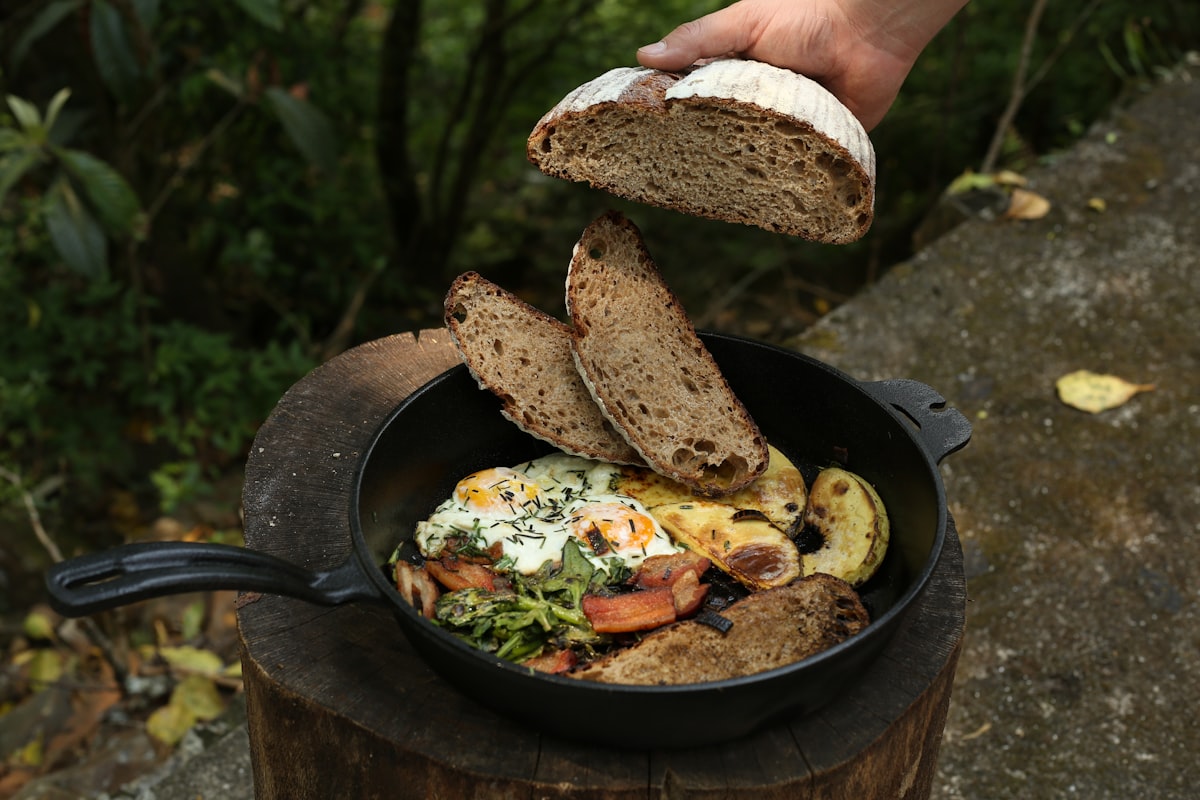
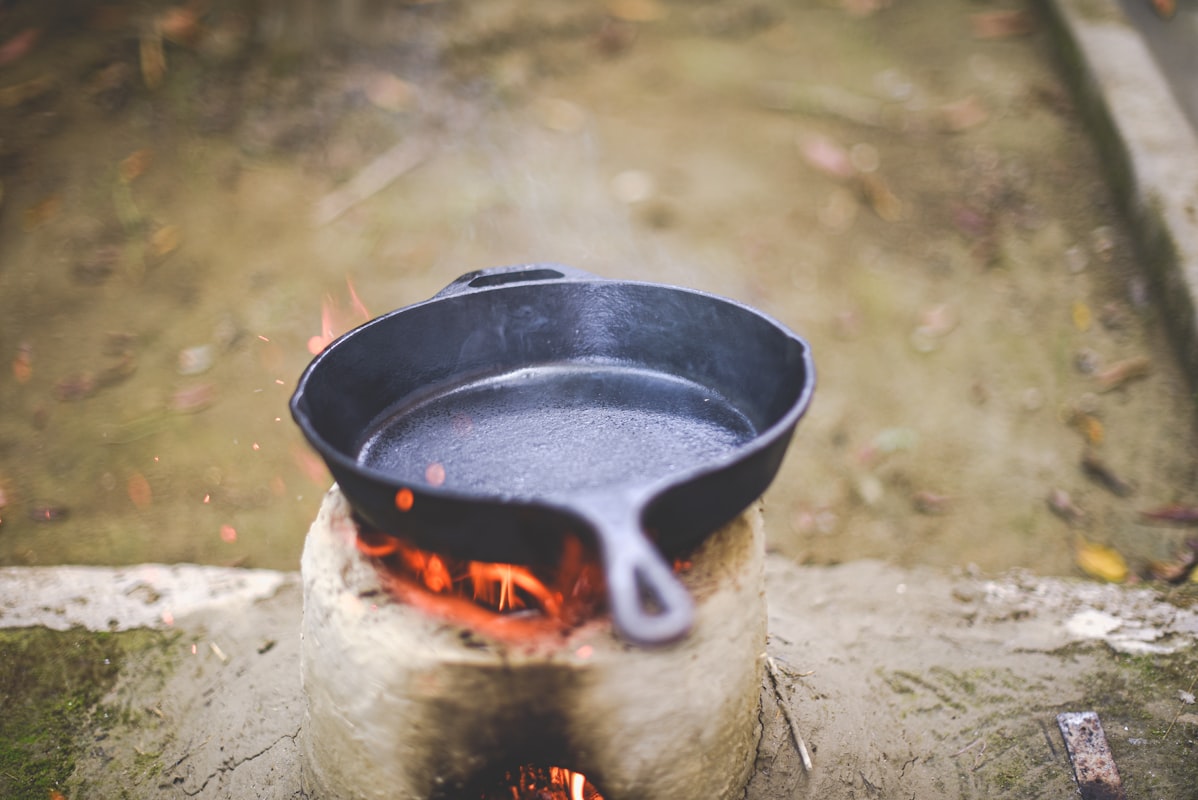
Cast Iron Cookware
Lasts 50+ years with proper care, distributes heat evenly, and naturally increases iron content in food. One pan replaces multiple non-stick options.
Sustainability score: Excellent
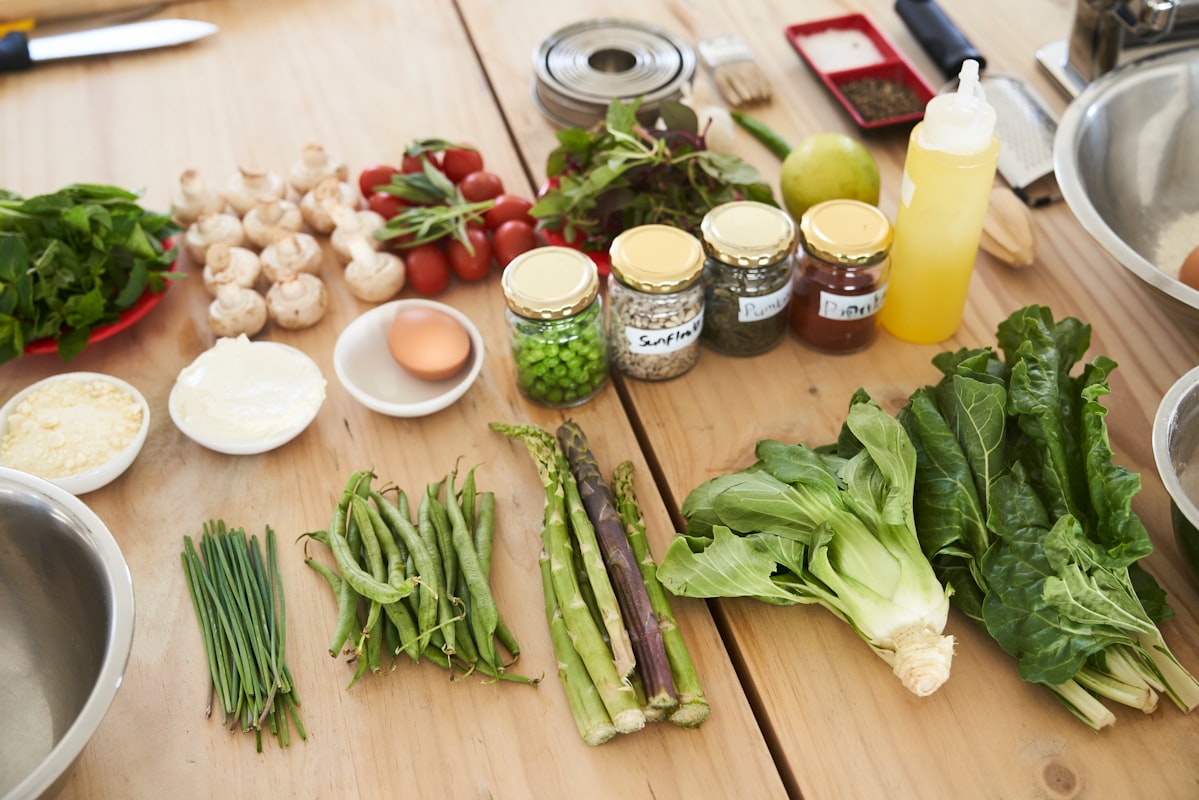
Pressure Cookers
Reduces cooking time by 70%, uses minimal water, and seals in nutrients. Modern models are safe and efficient alternatives to conventional boiling.
Sustainability score: Very Good
Slow Cookers
Uses as little energy as a light bulb. Perfect for preparing broths, stews, and tender proteins. Can run unattended for 8-12 hours.
Sustainability score: Very Good
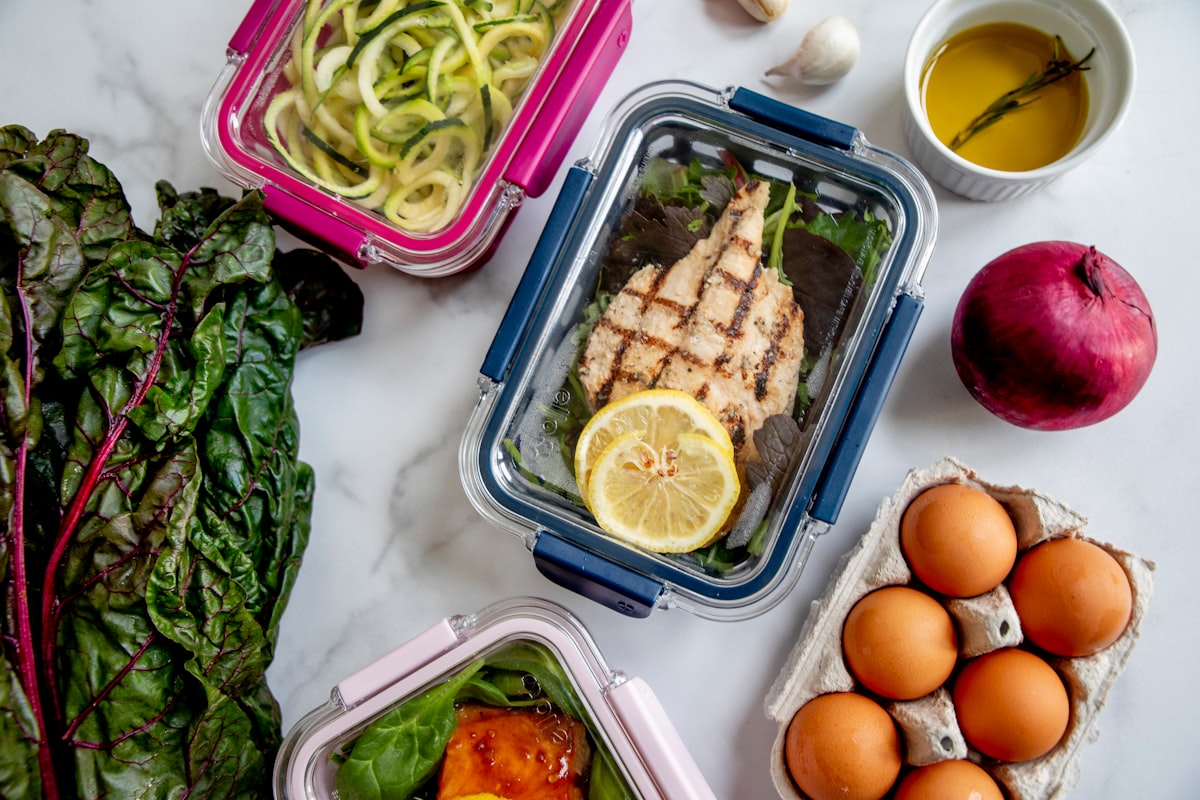
Stainless Storage
Replace single-use plastics with durable metal containers. Inert, safe for all foods, and eliminate the need for disposable wrap and bags.
Sustainability score: Excellent
Ceramic Non-Stick
Non-toxic alternative to PTFE-coated pans. Ceramic coating is natural, lasts 2-3 years, and requires less oil for cooking.
Sustainability score: Good
Your Transition to Sustainable Cooking
Moving toward sustainable cooking doesn't require overnight changes. Follow these practical steps to build lasting healthy habits.
Assess Your Current Kitchen
Inventory your existing cookware and appliances. Identify which items can stay (cast iron, stainless steel) and what needs replacing (damaged non-stick, single-use plastics). Most home cooks already have 70% of what they need.
Action: Write down 5 cooking methods you use weekly. Which ones are most efficient?
Invest in Core Equipment
Start with one sustainable tool that matches your cooking style. If you love soups and stews, choose a slow cooker. If you eat many vegetables, invest in a bamboo steamer. Quality equipment lasts decades and multiplies in value.
Action: Buy one high-quality, multi-use piece this month. Prioritize durability over features.
Learn One New Method Per Month
Pick a cooking method that excites you. Master steaming vegetables, then move to slow-cooked broths, then fermentation. Small, consistent learning builds confidence and sustainable habits without overwhelm.
Action: Choose one method this month and prepare one meal using it weekly.
Track Your Impact & Refine
Monitor energy usage, food waste, and how you feel (energy, digestion, mood). After 2-3 months, you'll see patterns. Adjust methods and tools based on what works for your lifestyle and health needs.
Action: Keep a simple log of meals, methods used, and energy spent. Review monthly.
How Sustainable Methods Compare
Quick comparison of the main sustainable cooking techniques across key dimensions.
| Method | Cooking Time | Energy Use | Nutrient Retention | Ease of Use |
|---|---|---|---|---|
| Steaming | 15-25 min | Very Low | Excellent | Very Easy |
| Slow Cooking | 4-12 hours | Very Low | Very Good | Very Easy |
| Pressure Cooking | 10-30 min | Excellent | Easy |
What Our Community Says
Thousands of health-conscious home cooks trust Vitaminrichrecipehub for their daily nutrition.
"These recipes have completely transformed my family's eating habits. The vitamin content is always impressive, and my kids actually enjoy the meals!"
Sarah Mitchell
Nutritionist, California
"I'm diabetic and need recipes that are both nutritious and delicious. This hub delivers every single time with clearly labeled nutritional info!"
Marcus Johnson
Health Coach, Texas
"The meal prep guides save me hours each week. I love knowing exactly how many vitamins I'm getting in every bite!"
Elena Rodriguez
Fitness Enthusiast, New York
Start Your Vitamin-Rich Journey Today
Discover hundreds of delicious, nutrient-packed recipes designed to fuel your body and boost your wellness.
100% Free. No spam. Unsubscribe anytime.
Frequently Asked Questions
Vitaminrichrecipehub
Your trusted source for nutritious, delicious recipes that fuel your wellness journey.
Quick Links
Resources
© 2024 Vitaminrichrecipehub – CIF: B-31545925. All rights reserved. Made with for your health.